National Park Service makes decision to a kill wolf on Isle Royale
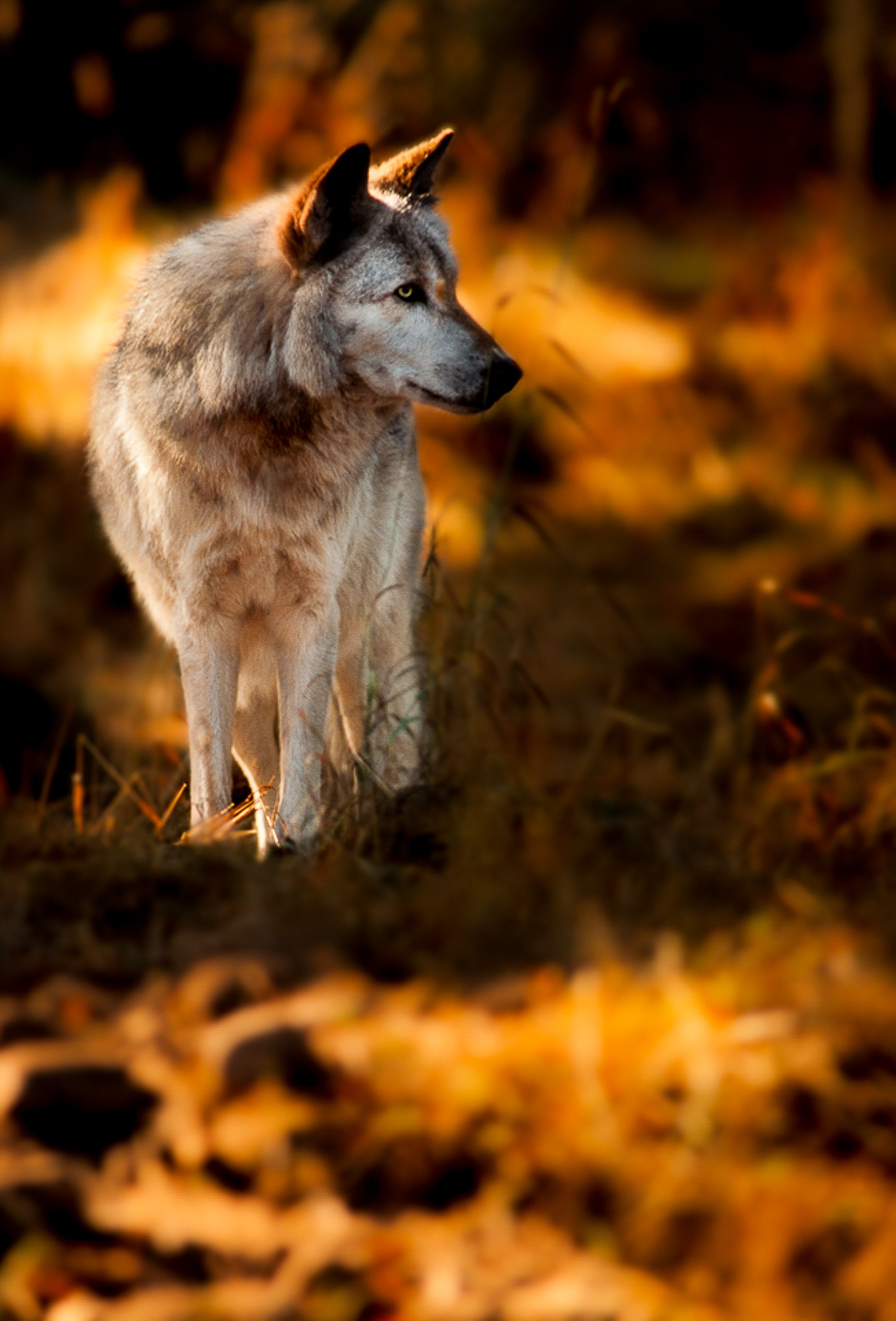
In my youth, I spent a good deal of time on Isle Royale. Growing up in Michigan, it had a mythical status. The island is a genuine wilderness. Remote and challenging to get to, with no electricity. Now add in that wolves had crossed a frozen Lake Superior in search of moose and established themselves, making this seem like the wilderness experience I was longing for. If I were going to start backpacking, this would be the place—the test. I found myself planning trips rather than concentrating on courses at Rutgers.
With more than 50 wolves on the island at the time, it would seem that one might have a good chance of seeing a wolf. This was not the case. I did track a moose and calf that a wolf was tracking, but that’s about as close as I got, as wolf sightings were scarce at the time. Wild wolves are elusive creatures.
Cut to yesterday’s news, a wolf on Isle Royale was killed because of its “escalating boldness” around people. One of two is reported to be snatching human food and backpacks. Wolves are wily creatures.
This is an alarming turn of events, a first, and given my experience backpacking on the island, it’s surprising. Isle Royale ranks as one of the least-visited National Parks, with about 25k visitors a year. But it is small, and with decades of human and wolf proximity, perhaps inevitable. Lax food storage rules and possibly human feeding of wolves led us down this path. We have strict backcountry rules in bear country, and now similar restrictions have been adopted on Isle Royale.
Natural food sources. Wolves on the island chiefly eat moose. The two are tied together. The population of wolves is currently at 30 and is divided into four packs, and is reportedly stable. The moose population peaked in 2000 and has declined by 60% since 2019. Wolves are turning to adult moose as fewer calves are being born, and researchers at Michigan Tech report that the leading cause of death for adult moose is wolves. Malnutrition had been the leading cause previously, as the wolf population had dwindled to two in 2016-18. This prompted the NPS’s genetic rescue plan 2018-19, in which 19 gray wolves were introduced.
One can infer that the rogue wolves were on the east side of the island, near Rock Harbor, as that is where the Park Service began its hazing campaign. This is where most of the human activity is and where the fewest moose are. Perhaps the wolf just had fewer options.
One thing is clear: a wolf attack because of human food sourcing would be a human tragedy and a disaster for wolves in North America. The myth of the big bad wolf is just that, a fairy tale. Fatal wolf attacks on humans in North America are extremely rare. In Saskatchewan in 2005, a wolf was killed due to human food habituated wolves near a garbage dump. In this case, the 22-year-old was warned not to hike in the area after a bush pilot’s aggressive encounter with those specific wolves. In 2010, Candice Berner, a solo jogger in Alaska, was killed, marking the first recorded fatal attack in Alaska.